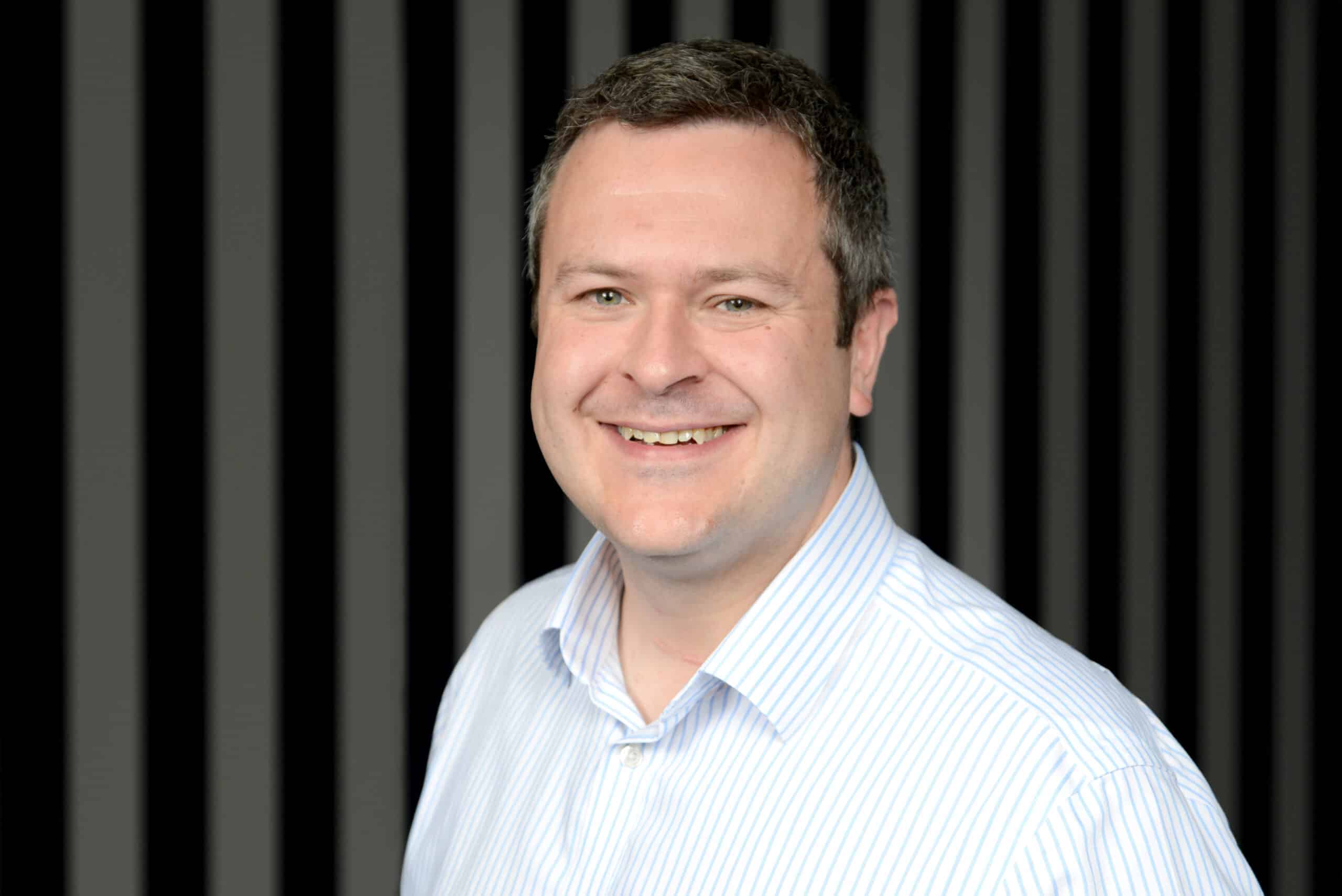
Stuart is an FCA-qualified chartered accountant with more than ten years of practical accounting and audit experience.
He leads the technical developments for Duncan & Toplis. This covers audit, financial reporting and maintaining the quality of work.
He has recently been appointed to Duncan & Toplis’ operations board and has become a member of the ICAEW’s influential Ethics Advisory Committee. Stuart also sits on the Kreston Global ESG Committee.
AI can play a critical role in ESG initiatives by helping companies analyse vast amounts of data, identify patterns and trends, and make more informed decisions about reducing their environmental impact, improving social outcomes, and enhancing corporate governance. Here are a few examples of how AI is being used in ESG initiatives:
Environmental: AI can be used to analyse satellite imagery and other data sources to track deforestation, identify pollution sources and monitor climate change’s impact on ecosystems. This information can help companies better understand their environmental impact and develop strategies for reducing their carbon footprint and other environmental harm. AI can also support gathering internal energy and carbon usage data to assist with reporting within financial statements and other publications.
Social: AI can analyse social media and other online data sources to monitor public sentiment and identify emerging social issues that may be relevant to a company’s business. This information can help companies to be more proactive in addressing social issues and improving their social outcomes. AI can also provide efficiencies in the day-to-day operation of businesses freeing up employees’ time to focus on other initiatives.
Governance: AI can analyse financial data and other information to identify potential risks and conflicts of interest that may impact a company’s governance practices. This information can help companies to strengthen their internal controls, improve transparency, and enhance their overall governance structure.
However, it is important to note that AI is not a panacea for ESG issues. While AI can provide valuable insights and help to automate specific tasks, it is not a substitute for human judgment and decision-making. Instead, companies must still ensure that they have strong governance structures, including robust policies and procedures, to ensure that their ESG initiatives are effective and aligned with their overall business objectives.
Moreover, there are also ethical concerns associated with the use of AI in ESG initiatives. For example, AI algorithms may inadvertently perpetuate bias or discrimination if not designed and implemented responsibly and ethically. Therefore, it is important for companies to be transparent about their use of AI and to ensure that their AI initiatives are consistent with their ethical and social responsibilities.
In conclusion, AI has the potential to play a valuable role in ESG initiatives by helping companies to understand better and address complex environmental, social, and governance challenges. However, it is important for companies to approach AI cautiously and ensure that their use of AI is aligned with their ethical and social responsibilities. Ultimately, the success of ESG initiatives will depend on integrating human judgment and decision-making with the insights and efficiencies that AI can provide.
News
Earth Day 2023: Liza Robbins
April 21, 2023
As Earth Day 2023 approaches, it is important to acknowledge the importance of sustainability in the corporate world. Due to the increasing environmental difficulties, it is crucial for businesses to integrate sustainable methodologies into their activities. In this article, Liza Robbins, Chief Executive of Kreston Global, provides her perspective on how tax and accounting specialists can assist businesses in focussing on sustainable practices.
Earth Day 2023 theme is ‘Invest in our planet.’ Businesses can profit significantly from a sustainable transition if they invest early on. How do you think businesses will profit – or benefit?
Climate change has become a crucial topic in today’s business world, with various stakeholders such as staff, clients, suppliers, and investors expressing their concerns about the impact of businesses on the environment. As a result, they have high expectations for companies to engage in sustainable practices. Ignoring these issues will result in negative consequences for the reputation and profitability of the business, as sustainable companies are more attractive to stakeholders.
The recruitment and retention of top talent have become significant challenges for businesses globally. Individuals increasingly seek to work for companies that have a positive impact on the planet, and the focus on sustainability can be a key factor in attracting and retaining employees. Therefore, organisations that integrate sustainable practices into their operations will benefit in terms of attracting and retaining talent.
Governments and regulators worldwide are also introducing new policies and laws to combat climate change, and organisations that adopt carbon reduction strategies now will be better equipped to navigate these new requirements. Adopting sustainable practices not only ensures regulatory compliance but also enhances the organisation’s reputation and brand value, positioning the organisation as a trailblazer in sustainability, which is highly attractive to stakeholders. In summary, businesses must recognise that sustainability is not a peripheral issue but a core concern that can drive long-term success and stakeholder satisfaction.
What is the role of accounting networks like Kreston Global in the education and behaviour change that firms and their clients need to take us to net zero by 2050?
At Kreston Global, we recognise the significant role we play in driving positive change in the world. As representatives of the accounting profession, we take great pride in our network’s ability to create a lasting positive impact. With over 25,000 individuals across 115+ countries, we have the reach and the influence to shape the global business landscape.
Our connectivity allows us to leverage our position to educate and consult on sustainable business practices, showcasing good practices that positively influence firms and their clients. At Kreston Global, we firmly believe that sustainability is a critical aspect of modern business, and we actively promote this mindset to our network and beyond.
Kreston Global recently partnered with Treedom Agroforestry to mitigate the emissions generated by enabling our members to connect face-to-face. What actions have you taken in your firms or your personal life that you can share that will help mitigate or reduce emissions?
At our organisation, sustainability is a top priority, and we have taken significant steps to integrate it into our operations. As part of our Strategic Plan, we have made a commitment to ESG and positive impact, and have enlisted the help of our network experts in this area, establishing an ESG Committee to identify best practice that can be shared across the organisation. We strongly believe that sustainability is not just a buzzword but a critical aspect of responsible business practices.
On a personal level, I am deeply committed to the Reduce, Reuse, Recycle mantra. I believe that we should all be mindful of our consumption patterns and strive to reuse items whenever possible. For instance, I have significantly reduced my car usage and prefer to walk or cycle for short journeys. I am delighted that the pleasant weather has made this more feasible lately.
At Kreston Global, we are also committed to reducing our carbon footprint. We carefully consider our travel plans and aim to combine multiple uses for a single flight whenever possible, such as attending meetings or conferences. We are dedicated to doing our part in creating a more sustainable future, both at work and in our personal lives.
To read more about the sustaiblity and ESG reporting in Kreston Global, click here.
News
Earth Day 2023: Mahendra Rustagi
As we approach Earth Day 2023, it’s essential to recognise the significance of sustainability in the business world. With the growing environmental challenges we face, it’s crucial for businesses to incorporate sustainable practices into their operations. In this article, Mahendra Rustagi, CEO of Kreston SNR, shares his insights on how businesses can incorporate sustainability into their financial reporting and tax compliance, the benefits of investing in sustainable initiatives, available tax incentives, and how tax and accounting professionals can help businesses quantify the benefits of sustainable practices.
Mahendra pointed out that Indians have a deep respect and commitment towards the Earth, evident in their tradition of worshipping it as Mother and seeking forgiveness before any construction work. This respect for the environment is something that businesses can learn from and apply to their operations.
The business world is among the most significant emitters of greenhouse gases and other pollutants. How can businesses incorporate sustainability into their financial reporting and tax compliance?
The business/industry is responsible to the extent of about 30% of Total Green House Gases (GHG). So they have a huge responsibility to care for their environment and society in a governed manner.
The efforts of businesses in this direction of sustainability should be incorporated by way of a report which we should form as an integral part of reporting. Like in India, the top 1000 listed companies have been mandated to disclose their data related to sustainability efforts through a report called BRSR (Business Responsibility and Sustainability Report) which is attached to and forms part of financial reporting. This can help to build trust with stakeholders and demonstrate a commitment to sustainability.
Earth Day 2023 theme is ‘Invest in our planet.’ Businesses can profit significantly from a sustainable transition if they invest early on. How do you think businesses will profit – or benefit?
Early investment in sustainability would mean improved energy efficiency, lesser water consumption and less waste reduction resulting in efficient operations and reduced operating costs. All this means higher profitability. Also, improved reputation and brand image and higher valuations, motivated team of employees, loyal customers etc, so one can say the business will benefit hugely in long run.
Businesses which are better on the ESG front can stay ahead of potential future regulations, avoid the financial and reputational risks associated with non-compliance and bring long-term economic benefits. Overall, investing in sustainability early not only benefits the environment but can also bring long-term economic benefits to businesses.
What are some tax incentives available for companies that implement sustainable initiatives, and how can businesses take advantage of them?
In India, the government has not yet started any income tax incentives for sustainable initiatives, however, the government is seriously considering and granting some income tax incentives for use of renewable energy and higher directions on some social spending. The Government of India has introduced a scheme called –Production Linked Incentives (PLI ) where huge incentives are provided to a certain class of environment-friendly products manufacturing linked to production. For example, Producers of Electrolysers are being given huge incentives to manufacture Electrolysers for the production of Green Hydrogen. Also, there are incentives for Green Sustainable Buildings and Energy Efficiency through the Bureau of Energy Efficiency (BEE).
Globally, there are several tax incentives available for companies that implement sustainable initiatives. These include tax credits for investments in renewable energy, tax deductions for expenditures related to environmental protection, and accelerated depreciation for certain environmentally friendly assets. Some countries also offer tax incentives for green buildings or for companies that reduce their carbon emissions. To take advantage of these incentives, businesses can consult with tax experts to identify the specific incentives that apply to their sustainable initiatives and ensure that they comply with the applicable regulations. They can also ensure that their financial reporting accurately reflects the impact of their sustainable initiatives, which can further demonstrate their commitment to sustainability and potentially attract socially responsible investors.
How can sustainable practices positively impact a company’s bottom line, and how can tax and accounting professionals help businesses quantify these benefits in their financial statements?
Implementing sustainable practices can positively impact a company’s bottom line in several ways. For instance, it can help reduce operating costs by improving energy and resource efficiency, optimising supply chains, and reducing waste. Sustainable practices can also increase revenue by improving customer loyalty, attracting socially responsible investors, and accessing new markets. Sustainable business practices lead to an enhanced reputation, being more attractive to staff and business partners who value environmentally sustainable practices, and attracting new customers who are seeking environmentally friendly products and services. Relationship between sustainability management practices and business financial measures as higher return on investment (ROI) and sales growth have already been proven.
Tax and accounting professionals can help businesses quantify these benefits in their financial statements by identifying the relevant tax incentives and credits available for sustainable initiatives, accurately reflecting the impact of sustainable practices on the company’s financial performance, and guiding compliance with applicable regulations.
Tax and Accounting professionals can also make the businesses understand the return on investment (ROI)on their sustainable Investments by quantifying the benefits through categorisation and a scoring model for each SDG component which would help them to make informed decisions about future investments in sustainability.
In conclusion, Mahendra’s insights inform us that businesses have a significant role to play in addressing environmental challenges, and they can do so by incorporating sustainability into their financial reporting and tax compliance. By investing in sustainable initiatives early on, businesses can not only benefit financially but also enhance their reputation and attract socially responsible investors. Tax and accounting professionals can assist businesses in identifying tax incentives, accurately reflecting the impact of sustainable practices on financial performance, and guiding compliance with regulations. As we celebrate Earth Day 2023, let us all take a moment to reflect on the impact of our actions on the planet and work towards a sustainable future.
News
Earth Day 2023: Ganesh Ramaswamy
As Earth Day 2023 approaches, it’s important to consider the role that businesses can play in promoting sustainability and combating climate change. Ganesh Ramaswamy, Partner at K Rangamani and Associates LLP, provides valuable insights into how businesses can incorporate sustainability into their financial reporting and tax compliance.
The business world is among the most significant emitters of greenhouse gases and other pollutants. How can businesses incorporate sustainability into their financial reporting and tax compliance?
In order to reach the Paris Climate goals businesses need sustainability reporting standards to measure their social and environmental impact more effectively. The business world expects the most significant innovations to happen soon in the corporate accounting and tax reporting standards due to the inclusion of ESG and sustainability reporting in financial statement reporting. Many businesses are embracing sustainability goals and seeking to reduce their carbon footprints. Most businesses have started sustainability reporting on a voluntary basis in their financial statements. ESG and sustainability reporting are part of the board agenda for many companies. To move forward the finance reporting function in businesses must be integrated with ESG and sustainability reporting. Moreover, the finance teams of businesses the world over should contribute to the process of setting standards in sustainability reporting.
Earth Day 2023 theme is ‘Invest in our planet.’ Businesses can profit significantly from a sustainable transition if they invest early on. How do you think businesses will profit – or benefit?
Investing in sustainable practices would definitely see businesses improving their ROI in the next decade. Building and growing a sustainable business has a lot of benefits like attracting a large pool of capital, building a stronger corporate brand, and promoting long-term growth which will definitely help the company and the investors benefit a lot. Individual and institutional investors are investing heavily in companies that proactively adopt ESG practices and have them integrated into the business strategy. Adoption of renewable energy like solar energy, wind energy and bioenergy automatically reduces costs.
Corporations that understand the importance of adapting to evolving socioeconomic and environmental conditions are better positioned to identify strategic opportunities and overcome competitive challenges. Proactive and integrated ESG policies can help companies gain a competitive advantage over other industry players. Employees generally care deeply about the companies they work for and the businesses they support, hence, they embrace values that are aligned towards social good, and environmental and social responsibility.
What are some tax incentives available for companies that implement sustainable initiatives, and how can businesses take advantage of them?
The tax incentives for businesses that implement sustainable initiatives are referred to as “green incentives” which comprise the following among various others:
Accelerated depreciation for investments in the sustainable energy sector.
Vehicle tax credit for electric motor vehicles
Grants for small businesses which take sustainable initiatives
Emission reduction credits which are encashable
Grants on salary payment to employees coming out of a green initiative.
These types of incentives can push many businesses would move in a more sustainable direction, or boost that allows these businesses to make the initial investment in green energy options or set up a new eco-friendly venture.
Sustainability reporting is a form of non-financial reporting that enables companies to convey their progress towards goals on various sustainability parameters, including environmental, social and governance metrics, and risks and impacts they may face. By disclosing the sustainability report, companies are able to communicate more transparently with the public about their business activities related to non-financial management and performance aspects. Though a number of different measurement and valuation methods exist, most of them are focused exclusively on ecological aspects, i.e. impact on climate, forest decline or water. Tax and accounting professionals can help businesses to quantify these benefits by valuing the following key dimensions for sustainable development:
Effects of economic activity on the environment e.g., resource use, pollutant discharges, waste.
Environmental services to the economy e.g., natural resources, sink functions, contributions to economic efficiency and employment.
Environmental services to society e.g., access to resources and amenities, contributions to health, living and working conditions
Effects of social variables on the environment e.g., demographic changes, consumption patterns, environmental education and information, institutional and legal frameworks.
Effects of social variables on the economy e.g., labour force, population and household structure, education and training, consumption levels, institutional and legal frameworks.
Effects of economic activity on society e.g., income levels, equity, employment.
What is the role of accounting networks like Kreston Global in the education and behaviour change that firms and their clients need to take us to net zero by 2050?
Networks like Kreston Global should act as strategic visionary which understands and guides the member firms on the trade-offs among people, the planet and profits. The networks can also function as a catalyst which can align the member firms’ strategy and culture so as to develop a sustainability agenda for the member firms. It is also quite easy for networks to provide an integrator role among member firms spread over various regions so as to uphold an overall commitment to the sustainability of the network.
Kreston Global recently partnered with Treedom Agroforestry to mitigate the emissions generated by enabling our members to connect face-to-face. What actions have you taken in your firms or your personal life that you can share that will help mitigate or reduce emissions?
The initiatives taken by our firm are the following:
Pooling of cars among staff while commuting to the office
Vegan food replaces fish and meat for lunch.
Water in glass bottles replaces PET bottles.
Use of natural light during daytime.
Focus on staff recreation facilities.
Increase in per diem for employees to travel by train instead of planes.
Floor carpets are made of natural fibre and not artificial fibre.
Employees are encouraged to use cotton clothing over synthetic clothing.
Natural jute bags replace plastic containers.
To conclude, Ganesh makes note of the importance of incorporating sustainability into financial reporting and tax compliance is a vital step for businesses in reducing their carbon footprint and achieving sustainability goals. Investing in sustainable practices benefits businesses in the long run, as it improves ROI, attracts capital, and strengthens the corporate brand. Tax incentives for implementing sustainable initiatives can help businesses to make the initial investment in green energy options or set up new eco-friendly ventures. On this Earth Day 2023, let’s pause and consider how our actions affect the planet and strive for a future that prioritises sustainability.
News
Earth Day 2023: Andrew Griggs
Earth Day is a global event celebrated every year on 22 April to raise awareness about the importance of protecting our planet and taking action against environmental challenges. As we approach Earth Day 2023, it’s important to consider the role that businesses can play in contributing to a more sustainable future.
Andrew Griggs, Senior Partner at Kreston Reeves and head of the Kreston Global ESG Advisory Committee shared his insights on how businesses can incorporate sustainability into their financial reporting and tax compliance, and how they can benefit from investing in sustainable practices.
1. The business world is among the most significant emitters of greenhouse gases and other pollutants. How can businesses incorporate sustainability into their financial reporting and tax compliance?
“I think there are great opportunities for UK businesses to incorporate sustainability into reporting, simply by looking at what is mandatory now for larger companies (over 500 employees) and following that lead to getting ahead of the curve as it will be mandatory for SMEs soon. From a financial management perspective, all business benefits from knowing their ESG risks and opportunities, and seeing what the impact of their business has on their wider community and stakeholders. And of course, it gives anyone looking closely at that business, be it as an investor, potential recruit or to do business with, a sense of the business culture, values and ethos.”
2. Earth Day 2023 theme is ‘Invest in our planet.’ Businesses can profit significantly from a sustainable transition if they invest early on. How do you think businesses will profit – or benefit?
“As I mentioned above, getting in early is always useful as it can take time to build a comprehensive ESG approach. I know from our own journey as a firm that wanted to have a positive impact on the world and society that the earlier you start the better. We began ours in 2018 and in March this year have achieved B Corporation certification which was one of our goals. The benefits of this inside-out approach have been substantial in terms of increasing staff engagement and morale, improving our financial performance, creating standout in the marketplace, and attracting/retaining clients.”
3. How can tax incentives for sustainable initiatives positively impact a company’s bottom line, and how can businesses take advantage of them with the help of tax and accounting professionals to quantify these benefits in their financial statements?
“Environmental tax incentives in the UK are quite good – there are capital allowances on energy efficient practices (improving heating and energy consumption) and investments in zero carbon technology (ie building infrastructure/electric car/bikes for staff etc). We know that adopting these and other measures such as turning down the heating slightly, going paperless, encouraging recycling and looking at lower water usage and plastic reduction has had a considerable impact in a positive way on our bottom line.”
4. What is the role of accounting networks like Kreston Global in the education and behaviour change that firms and their clients need to take us to net zero by 2050?
“In Kreston we have the opportunity to reach – both across our 165 member firms in 115 countries but in turn to influence and engage their clients and people. This allows us to change behaviours across a large global footprint and create impetus for change by galvanising the whole network. Our network’s impact strategy includes a committee of some of our ESG leaders to help direct and mentor other firms in this area.”
5. Kreston Global recently partnered with Treedom Agroforestry to mitigate the emissions generated by enabling our members to connect face-to-face. What actions have you taken in your firms or your personal life that you can share that will help mitigate or reduce emissions?
“As previously mentioned, as a firm we have committed to becoming a B Corporation so we can live our values of not only becoming net zero but ensuring a long-term commitment to staying net zero – and helping others to do so as well as part of being B corp.“
In conclusion, Andrew’s insights highlight the importance of incorporating sustainability into businesses’ financial reporting and tax compliance, investing in sustainable practices, taking advantage of available tax incentives, and the role of accounting networks in driving education and behaviour change. As we celebrate Earth Day 2023 with the theme of ‘Invest in our planet,’ it’s important to remember that businesses can profit significantly from a sustainable transition if they invest early on.
News
Accounting leaders discuss the advantages of joining a network
April 13, 2023
In a recent Accounting & Business magazine feature, leaders from Kreston Global offered their insights on the benefits and factors to consider when joining a network, such as a larger group or association. The article includes comments from Kreston Global’s CEO, Liza Robbins, Modern Mutumwa, managing partner at Kreston Zimbabwe, and Sudhir Kumar, senior partner at Kreston Menon in the UAE.
When considering whether to join a larger group, such as an association or network, many accountancy firms weigh the advantages of being an independent operator against the benefits of being part of a larger entity. Joining a larger group can provide opportunities for extending the reach and expanding the knowledge base, as well as staff development and professional bonds across borders.
In addition, these groups offer support through annual conferences and online events, knowledge sharing, and work referrals that can lead to revenue growth. However, it is important to actively invest time in building relationships with other group members for these benefits to accrue.
‘What I always say to firms is really think about what you’re trying to do. Don’t just say it’s the next stage of your development – boil it down. Broadly, if you’re a firm wanting to develop, you’re looking for resources – you may be looking for a technical person because you don’t employ one yourself – so you might be looking more towards the networks that have that sort of resource. Across the world, there’s a challenge with identifying and retaining staff. One of the things our firms are saying to us is that staff perceive an international link as very positive. They enjoy the interaction we can give them from being part of something bigger.’
Modern Mutumwa, managing partner at Kreston Zimbabwe in Harare, Zimbabwe
‘I wanted a brand I could rely on to be competitive in the local market. We have also seconded staff to Kreston Reeves in the UK. They learned new things and gained exposure to larger clients. Some were able to lead assignments, which strengthened their technical skills and opened them up to interact with staff from a global perspective.’
Sudhir Kumar, senior partner at Kreston Menon in the UAE
‘We are on the Forum of Firms list, which is recognition for us, for the quality of our work. Everyone is very happy that the organisation has changed culturally because Kreston talks to everyone, not only the top management. Everyone is part of Kreston.’
Over the past 15 years, the terms “network”, “association”, and “alliance” have become less interchangeable. “Network” now refers to practices that are members of the International Federation of Accountants (IFAC) Forum of Firms, meaning they comply with the International Standard on Quality Control (ISQC 1), International Standards on Audit, and the International Ethics Standards Board for Accountants’ code of conduct. This membership is important as many banks, governments, and not-for-profits will only work with auditors who are Forum members. Networks may also have stricter rules than associations regarding systems, processes, branding, and marketing. Some networks enforce a common brand, while others do not.
To learn more about joining the Kreston Global network, click here.
Pretino, a certified CPA, is an experienced finance professional with expertise in management consulting, risk advisory, public accounting, and auditing. He has worked with prestigious organizations, helping them identify risks, develop risk management strategies, and implement effective controls. With a varied industry background, including financial services, power, tourism, and consumer business, Pretino brings a wealth of knowledge to his work.
Cryptocurrencies: what do the latest trends mean for the accounting profession?
April 3, 2023
Cryptocurrency has been the subject of both hype and scepticism throughout its existence.
Its enthusiasts see it as not only an opportunity for high returns on investment but also a ‘democratising’ economic force, decentralised from any bank or state; its critics warn of regulatory concerns, high volatility, and over-optimism.
Against this backdrop, it’s no wonder many accountants and auditors are concerned about working with clients with crypto portfolios. That said, investors are still committed to this market — and ultimately, in my view, future developments in blockchain and cryptocurrency have the potential to revolutionise the accounting industry.
Therefore, accounting firms can’t afford to stay in the dark about these technologies. To future-proof your firm and give your clients the advice they need, you must understand the cryptocurrency market.
Cryptocurrency trends in 2023
Overall, faith in cryptoassets has been shaken by events of the past year, with a string of failures culminating in the collapse of crypto exchange FTX in November 2022. Bitcoin, the most popular and widely-known cryptocurrency, ended 2022 at a price of £13,662.59 – a 72% decrease from its peak of £48,005.97 in November 2021.
This volatility is the biggest challenge of the crypto market, both for individuals whose assets are affected by price fluctuations and in terms of its effects on the broader global market. Other asset classes — such as stocks and securities — have a firm place in the accounting practice, primarily because they’re heavily regulated by relevant bodies around the world.
In contrast, cryptocurrency regulation is generally limited, only covering certain aspects of specific digital assets (resulting in many anomalies).
Meanwhile, President Joe Biden recently released an executive order and a proposed framework for regulating cryptocurrency in the US. As a result, the Financial Stability Oversight Council has called on the United States Congress to pass legislation specifically targeting stablecoins, crypto spot markets, and regulatory arbitrage.
Various state banks are looking at the potential of establishing a central bank digital currency (CBDC): a digital currency a country’s central bank issues. The Bahamas was the first country to do this, followed closely by China, whose digit yuan, e-CNY, has already participated in transactions worth about $14 billion.
Are people still investing in cryptocurrency?
Future regulation aside, the dramatic fluctuations of the cryptocurrency market and the failures of the past year have led many to wonder what the future is for this technology.
From what I’ve seen, investors are still overall committed to cryptocurrency: they’re just more strategic now in the investments they choose, favouring those backed by underlying, measurable and sometimes tangible assets, or investments with the greatest utility.
There has also been a shift in protecting crypto investments by staking their holdings. Offline storage solutions, such as cold wallets, are also being used to keep crypto investments safe from hackers or companies that go bankrupt. Even with the recent episodes of failed cryptocurrency projects, the hype around cryptocurrency as a viable investment option and a disruption in the digital finance space is still gaining momentum.
The opportunities of cryptocurrency for accountants
Aside from needing to understand cryptocurrency to advise their clients, accountants stand to benefit from this technology in several ways.
Upskilling
In our industry, we all know the importance of continuous professional development.
Gaining a greater understanding of cryptocurrency will help to keep you relevant in a highly competitive marketplace and obtain the skills required in a fast-changing, client-focused environment.
Involvement in standardisation
With this in mind, we have a unique opportunity to set ourselves apart and
demonstrate our own expertise as lawmakers build rules and regulations around cryptocurrency. By developing standards that protect users and those operating in this space, our profession can help to build public trust.
With annual transactions easily verifiable through the blockchain, some might argue that this technology renders auditing obsolete. We need to be in front of this possible assertion, bringing expertise and irreplaceable human insights to the table.
Consulting on cryptocurrency
Cryptocurrency offers the opportunity for a new revenue stream and an increased customer base.
By integrating our understanding of blockchain with our knowledge of auditing applications, we can develop more effective and efficient ways to deliver our accounting and auditing solutions, including regulatory compliance.
Accounting for cryptocurrency
From a financial reporting perspective, accounting for cryptocurrency is difficult. Cryptocurrencies have various complex features, and price movements tend to be volatile.
Despite their name, it would be an error to assume that cryptocurrencies should be accounted for as cash. This is because the standard outlined in IAS 7 and IAS 32 imply that cryptocurrencies aren’t cash equivalent, especially given that cryptocurrency is still far from gaining comprehensive adoption in global trade. These are early days, however, and firms will become more familiar with the crypto market. In the meantime, the fundamental considerations for evaluating digital assets remain the same.
In 2019, the International Accounting Standards Board (IASB) concluded that cryptocurrency meets IAS 38 definition of an intangible asset and where it is held for sale in the course of ordinary business, it falls under IAS 2 Inventories.
Both the IASB and the Financial Accounting Standard Board (FASB), which governs the generally accepted accounting standards of the United States, agreed that there is currently no clear path to universally address this subject. Instead, accountants need to consider the substance and financial impact of digital assets to determine their accounting treatment.
Auditors are responsible for providing sufficient evidence relevant to the board’s assertions on the fair presentation of the financial statements. But because of the nuanced concept of regional difference, the way advanced resources are evaluated is distinctly unique.
Be prepared for what’s next
The crypto market can be volatile and unpredictable, but this recent downturn is simply a reminder to financial backers that cryptoassets come with increased risk and unpredictability – particularly during the monetary and political fragility we’re facing right now.
As with any quickly changing technology, you need to keep your finger on the pulse, stay informed and be prepared. You never know what new development might be around the corner and what the benefits could be to your firm and your clients.
If your goal as an accountant is to become a trusted adviser to your clients, you should keep abreast of developments in this dynamic, unpredictable, and potentially rewarding field.
News
Kreston Global welcomes new member firm in the Netherlands
March 28, 2023
We are delighted to welcome Qwintess as a new member of the network in the Netherlands. Qwintess is an accounting firm that is focused very much on the entrepreneurial marketplace and the opportunities for the next generation to get involved with both the firm and also entrepreneurship. Led by Julian Jonker, Audit partner, and Lynn Pennings, Tax partner, the firm has 22 employees and is based in Noordwijk.
Kreston Global welcomes new member firm in the Netherlands
Qwintess has joined the growing Kreston Netherlands family which now numbers eight firms. Chaired by Gooitzen Boonstra, Kreston Netherlands has 650 employees across the Netherlands working on client matters.
To learn more about doing business in the Netherlands, click here.
News
Kreston Global retains 13th position in global rankings
March 23, 2023
Kreston Global has maintained its 13th position in the International Accounting Bulletin world survey. Kreston Global continues to enjoy steady growth, with a 4% turnover increase in 2022.
The network has attracted a record number of new firms in recent years and US firm CBIZ MHM has contributed significantly to the growth with key strategic acquisitions, including New York–based Marks Paneth, helping to propel CBIZ MHM from 13th to 8th position in North America regional rankings.
Liza Robbins, Kreston Global Chief Executive commented,
“We are delighted to have retained our global position, although our focus continues to be on delivering real benefits to firms to help them grow and thrive, and less about global rankings.
The fast pace of development of Kreston Global led to a new strategic plan being unveiled in 2021, which embraces the network’s wider purpose-led approach. The new firms that have joined us over the last 12 months have only enhanced the strong ties that connect our firms to each other.
2023 looks set to be another strong year of member growth, with excellent firms interested in joining the network.”
If you are an ambitious, internationally-focused firm that is interested in joining Kreston Global as a member, you can fill out a form to apply to start your application.
News
Kreston ATC Chile joins the network
March 10, 2023
Kreston ATC Chile is the latest firm to become part of Kreston Global.
The firm provides services to local and international companies across Chile and overseas, ranging from external and internal audits, taxes, risk advisory, forensics, payroll and bookkeeping. Headquartered in the capital, Santiago, the firm is led by experienced partners with backgrounds in EY and RSM, used to reporting to offices in North America, Europe and Asia.
Pictured from left to right are Ricardo Gameroff, Partner-Advisory Leader and International Liaison, Hans Caro, managing partner, and Eduardo Medina, audit lead partner.
Hans Caro Larsen, Managing Partner, commented, “We are very excited to join Kreston and are committed to contributing to the global organisation with our knowledge and experience. We already have one of our partners involved in the network’s Global Audit Group as well as serving as a member of the Global Quality Group and look forward to extensive international collaboration”
To learn more about doing business in Chile, click here.
News
International Women’s Day: Jenny Reed
March 7, 2023
International Women’s Day is celebrated globally every 8 March to recognise the contributions of women to social, economic, cultural, and political advancements. The day also calls for action to accelerate progress towards gender equality and women’s empowerment. This year, Kreston Global aims to feature a few remarkable women from their network and learn from their experiences on what it means to be a successful woman in the organisation.
Jenny Reed is a well-established figure in the accounting and auditing industry, with over 25 years of experience across both public practice and industry. Earlier this year, she was appointed Director of Quality and Professional Standards at Kreston Global, a role she has taken on with great enthusiasm and expertise. Before this, she served as the Head of Audit and Assurance at Baker Tilly International, where she established a reputation for herself as a dedicated and innovative leader.
What drives as a senior role in the global accounting network? My key driver is the desire to help people – I work for the benefit of our member firms, so everything I do is to help them, ultimately to help them help their clients.
Do you think the sector welcomes females in leadership roles? Things have improved since I joined the accountancy profession some 25 years ago. When I was a trainee, I wasn’t even allowed to wear trousers at work! Thankfully, things have moved on a lot since then, and we are seeing far more female directors and partners and more women in senior leadership roles within the global offices of accounting networks. So I think it’s imperative to do all I can to encourage and enable the next generation of women moving up in the profession. We can all do that at every stage of our careers.
What qualities do you need to be a successful female leader in global accounting? Working internationally is a great privilege. People from different countries, cultures, and backgrounds have their perspectives and ways of working, and part of my role is to help bring those other ideas and views together for the benefit of the whole network. You need to be a good listener and have much humility – I have strong opinions but hold them very lightly, as I never know when someone worldwide will have a better idea or approach. A certain amount of diplomacy and patience is also needed – bringing people together and reaching a consensus can take time but is valuable to the organisation.
We recently surveyed ‘interpreneurs’ – entrepreneurs looking to expand internationally. The data showed that female CEOs were more likely than males to consider expanding overseas. Why do you think this might be? Historically, many women believed they needed to work harder and be better than men to get ahead, and their drive to succeed may encourage them to take the risk to go global. Effective overseas expansion is always a collaborative effort, so since teamwork is a strength of many women, this statistic doesn’t surprise me.
There was a significant indication that existing networks were an attraction to overseas expansion in particular countries; why do you think female interpreneurs value this more than their male counterparts? Knowing that you have access to local knowledge and expertise through an accounting network is reassuring and gives confidence to interpreneurs to focus on what they do best.
What advice would you give your 28-year-old self? When I applied for trainee roles in accountancy, I was surprised at how many interviews I was offered. In the early part of my career, I would frequently underestimate my abilities and not push myself forward for promotions. The best advice I could give my younger self would be to have confidence in my abilities and to reach for the stars!
Read more from our other featured women for International Women’s Day, here.
News
International Women’s Day: Mercè Martí Queralt
Each year on 8 March, the world observes International Women’s Day to acknowledge women’s accomplishments in various social, economic, cultural, and political fields. It is also an opportunity to advocate for gender equality and women’s empowerment. Kreston Global uses this occasion to highlight exceptional women within their network and gain their perspectives on what defines success as a woman in their organisation.
Mercè Martí Queralt is a highly experienced professional with over 30 years of expertise in auditing. As the Executive President of Kreston Iberaudit, Mercè plays a crucial role in representing Kreston Global in Spain, Portugal, and Andorra, and is responsible for driving the company’s expansion and internal development plan. Iberaudit is a leading audit network in the region, representing Kreston. Mercè’s exceptional leadership and strategic vision have driven the company’s success and cemented its reputation as a top-tier auditing firm in the area. With her extensive experience and deep knowledge of the industry, she continues to be an inspiration to her colleagues and a driving force behind the firm’s continued growth and success.
Why did you decide to run your firm? After several years as a Partner in a well-known consulting firm, I decided to leave to fulfil my objectives. Unfortunately, I needed more support to grow and consolidate the firm’s future, so I founded my own company. At that time, becoming part of the Iberaudit project had already been proposed to me, so I decided to join the two projects and create a firm in which quality was the central pillar and with international projection, from here to our integration in Kreston. When it came to assuming the executive presidency, the only condition I set was to have the unanimous support of the entire team. I did not want obstacles; I wanted to be supported fully in my efforts to lead the company.
What qualities do you need to run a successful accounting firm? There are many qualities that one must have to run any company successfully. Having the capacity for resolution and determination in decision-making is vital. The ability to adapt is fundamental, especially in auditing, where change is part of our routine. The curiosity to learn about a subject and expand knowledge to other spheres allows us to acquire a global vision and anticipate possible events. Last, good communication is essential to improve negotiation through active listening and enthusiasm.
How do you support equality in your firm? As Executive President of the firm, I am actively involved in all issues related to equality in general, participating in the development of internal policies that ensure genuine equality of opportunities within our organization in all processes: selection, promotion, and development of our professionals- regardless of origin, gender, age, sexual orientation, and ideologies. I participate in mentoring projects for women and try by my example to be a reference for all the professionals in my firm. On the other hand, I continually propose team meetings to learn about problems and suggestions, and from these initiatives, I implement actions that contribute to equality.
We recently surveyed ‘interpreneurs’ – entrepreneurs looking to expand internationally. The data showed that female CEOs were more likely than males to consider expanding overseas. Why do you think this might be? Honestly, I wouldn’t just say it’s a gender issue, regardless of the results of the surveys. Instead, it is an entrepreneurial attitude—restless men and women who thirst for innovation. From my experience, after having been part of a prestigious auditing firm for more than 20 years, I understood that I had to take risks to improve and grow, and I believe that these actions speak of one of the entrepreneurial spirits that transcend gender. That entrepreneurial motivation gives us the courage to leave our comfort zone and take risks to grow, develop new businesses, and expand globally.
What advice would you give female entrepreneurs starting today, or would you give your 28-year-old self? The best advice I could give an entrepreneur starting today is to believe in herself, her goals, and her objectives. And that if she “falls, she should get up,” No matter how many times, you must persevere. All my work has paid off, and my efforts were worth it, but the most valuable thing that stands out is the experiences I have lived, which is the key to enjoying the road. Finally, I would advise you never to stop training, growing, innovating, and participating in congresses, meetings, and travelling; it is a vital learning process that allows you to analyse your surroundings in a more empathetic and global way that has helped me a lot, both personally and professionally.
To learn more about doing business with Iberaudit, click here.
News
International Women’s Day: Erika Larsdotter Hed
8 March marks the annual celebration of International Women’s Day, dedicated to recognising the global achievements of women in social, economic, cultural, and political realms. It additionally serves as a reminder to take proactive measures towards promoting gender parity and empowering women. This year, Kreston Global has chosen to showcase several inspirational women from their network and gather their insights on what it means to be a prosperous woman within the organisation.
As the current CEO of Finnhammars Revisionsbyrå, a leading accounting firm based in Sweden, Erika Larsdotter Hed has played a crucial role in shaping the company’s reputation for excellence and dedication to customer service. Finnhammars was founded in 1983 to provide superior accounting services and build lasting client relationships. Today, the firm boasts 12 partners and a team of over 50 employees and continues to be known for its commitment to quality and personalised service. With her extensive experience and industry knowledge, Erika has been instrumental in the firm’s growth and success, having worked at Finnhammars for over 11 years. Her dedication to maintaining high standards and delivering exceptional results make her a valuable asset to the company and an inspiration to her colleagues.
Why did you decide to run your firm? It is an exciting challenge, and the firm has always been close to my heart, my family were even clients of the firm at one point. We have such a fantastic firm that from the very beginning put long-lasting relationships at its core, both clients, co-workers, suppliers etc. Something I am very proud of is that we have an average time of employment of nearly 15 years! It’s a lot of hard work and challenges for sure. However, to be able to be in a position where I can be a part of developing the firm is a huge motivating factor for me. We are now seeing a generational shift and I can contribute with leadership that suits the change in the organisation I am proud to be a part of representing and leading the firm into the next generation. I am also proud to, in some ways, be a representative for diversity which I firmly believe is something that creates an essential climate for sustainability.
What qualities do you need to run a successful accounting firm? Running a successful accounting firm requires a variety of skills. We have a fantastic team with strong technical expertise in accounting, tax, and auditing combined with business acumen. As I mentioned earlier, we put relationships at heart- we strive to be responsive to our client’s needs. I also see that being curious and willing to work to both maintain and develop the company’s culture is essential. A part of that includes looking at the bigger picture and to look ahead where a part of that is having an international perspective.
How do you support equality in your firm? We constantly work to recruit, attract, and retain strong female role models and it is going in the right direction. We strive to create a work environment that values diversity and encourages open communication, collaboration, and respect for different perspectives and opinions. We regularly review our policies and practices to ensure they align with our values of equality and inclusivity, but we still have work to do. Equality is a strategically important issue for the industry, and we, as well as many other firms in our industry, are struggling. The percentage of female partners in the accounting industry in Sweden is 29%. We can also see that 1% of all venture capital is invested in teams with only female partners. When you work in an environment with an unequal representation, it may not be as likely to see yourself as a partner in the long term, therefore it is our responsibility to emphasize that we see both women and men as future partners. We are proud to see a higher equal proportion when it comes to parental leave, where I believe we as a country have made some significant progress. You can roughly say that Swedish parents today get paid 80 % of their salaries up to 390 days and each parent has 90 of these days reserved for that person. We as a firm are seeing a more even distribution between the genders today compared to a decade ago. We as a business have a responsibility to our staff to combine private life with working life and a career in the auditing industry.
We recently surveyed ‘interpreneurs’ – entrepreneurs looking to expand internationally. The data showed that female CEOs were more likely than males to consider expanding overseas. Why do you think this might be? The survey showed a 3% difference between the genders but also a 38% difference between the age gaps 31-40 compared to 51 and older. I find it easier to explain the difference in age compared to the variable of gender considering we live in an internationalized world where technology, the internet and communications all facilitates expansion overseas.
What advice would you give female entrepreneurs starting today, or would you give your 28-year-old self? Be yourself and be brave and find your own path. Our differences are our strengths.
To learn more about doing business in Sweden, click here.
News
International Women’s Day: Annie Sun
Every year on 8 March, the world celebrates International Women’s Day to acknowledge women’s social, economic, cultural, and political accomplishments. It is also a time to take action towards achieving gender equality and empowering women. This year, Kreston Global aims to highlight some remarkable women within the organisation and gain their perspectives on what it takes to succeed as a woman in the network.
Annie Sun is a highly accomplished professional with nearly two decades of experience in accounting and statistics. She currently serves as the CEO of Brighture, a leading firm in China that specialises in providing expert accounting services to clients across various industries. Founded in 2003, Brighture has rapidly become a key player in the industry, thanks in no small part to Annie’s exceptional leadership and guidance. In 2015, the company joined the Kreston Global network, further cementing its reputation as a leading provider of accounting services in the region.
Why did you decide to run your firm? Being a professional, I want to help more entrepreneurs succeed.
What qualities do you need to run a successful accounting firm? To run a successful accounting firm, the endless selection of “professional, integrity and efficient” internal and external clients, namely colleagues and customers, helps.
How do you support equality in your firm? There are two main points:
Simple, transparent, unified corporate values and performance evaluation standards
Flat organisational structure.
We recently surveyed ‘interpreneurs’ – entrepreneurs looking to expand internationally. The data showed that female CEOs were more likely than males to consider expanding overseas. Why do you think this might be? Female CEOs may be more focused on collaboration and resource integration.
There was a significant indication that existing networks were an attraction to overseas expansion in particular countries; why do you think female interpreneurs value this more than their male counterparts? The network can maximize the unity, service concept, and standards, which is a guarantee for both the company team and the clients.
What advice would you give female entrepreneurs starting today, or would you give your 28-year-old self? Attentively adapt to society’s development and clients’ needs, with professional expertise to help them achieve success and stability.
To learn more about doing business in China, click here.
News
International Women’s Day: Carmen Cojocaru
International Women’s Day is celebrated annually on 8 March to recognise women’s worldwide social, economic, cultural, and political achievements. It also serves as a call to action to accelerate gender equality and women’s empowerment. This year, Kreston Global will showcase some inspiring women across the network and get their insights on what it means to be a successful woman in the industry.
Meet Carmen Cojocaru, a highly experienced professional in accounting, business process outsourcing, audit, and tax. As a certified accountant, financial auditor, and tax advisor, Carmen has amassed over 20 years of experience in the industry, making her a valuable asset to Kreston Romania, where she currently serves as the Managing Partner. Carmen’s journey in the accounting and tax field started in the early 90s, working for an Italian firm and later joining BG Conta SRL, which eventually became Kreston Romania. Since then, she has risen, becoming the manager in 2006 and the Audit and Accounting Partner in 2008. Carmen’s expertise and leadership skills have allowed her to coordinate a team of professionals while actively attending and participating in international workshops and conferences.
Why did you decide to run your firm? I have always had determination and a clear goal to be my boss and a leader of wonderful people. It was the combination of willingness to have extra freedom, flexibility, and satisfaction. So I took a chance on the ambiguous circumstances and decided to convey it into opportunity.
What qualities do you need to run a successful accounting firm? To run a business, a person needs many qualities: communication and negotiation, delegation and time management, networking, problem-solving, and of course, financial management. It’s one thing to run the business and another to grow it; to do so, a person has to communicate effectively, learn, and strategise. One critical skill is the ability to learn and adapt continuously. Otherwise, the business owner is definitely going to miss more opportunities.
How do you support equality in your firm? Equality is about ensuring that every individual has an equal opportunity, which I always knew and believed. Kreston Romania has two partners- Eduard Pavel and me. Both have been working together before becoming partners, so for us, it’s just the essential pillar of how things get done. Therefore there has never been any prejudice associated with equality. We have excellent professionals with unique backgrounds and acknowledge that from the beginning of the hiring. We have created and encouraged a safe work environment where people behave however they want. At Kreston Romania, we had apprenticeship programs with participants from Georgia, Greece, and Brazil – a young generation with totally different cultural and professional backgrounds. One of them has been with us since the end of the program.
We recently surveyed ‘interpreneurs’ – entrepreneurs looking to expand internationally. The data showed that female CEOs were more likely than males to consider expanding overseas. Why do you think this might be? As I mentioned, running a business is different from growing a business. Suppose a business person detects the potential for extending business activities. In that case, there is a high chance that the person is backed up with relevant data and has support from other partners (if there is/are such) and the team members. There are many factors to consider. For example, being an entrepreneur means taking more or less calculated risks, and maybe surveyed ‘interpreneurs’ were such entrepreneurial females more in quantity? I can only talk about my example, and at Kreston Romania, both partners are involved fully by putting out insights into any activity that may benefit the firm.
There was a significant indication that existing networks were an attraction to overseas expansion in particular countries; why do you think female interpreneurs value this more than their male counterparts? Existing networks undoubtedly hold a competitive advantage, and even the fact that those networks are on the market today, successfully operating, clearly indicates that they know how to do business. Every business person wanting to ensure the risks associated with overseas expansion wants some guarantee and risk mitigation. Foreseeing barriers is another essential quality that a business person needs, and I am glad if, according to the data, we, females, have that power.
What advice would you give female entrepreneurs starting today, or would you give your 28-year-old self? Dare to dream and maximize your potential. As with every beginning, you need courage and a little madness. As W. Churchill said: “Success is not final; failure is not fatal: It is the courage to continue that counts!” So, develop a growth mindset and clearly understand that people are different in every sense; without acknowledging that, it is impossible to lead others. Say YES more than you think you should, but be cautious. Most importantly, ladies, you are mighty and can do wonders. So, make it happen! Let the world be your oyster in your desired colour, size, and shape.
To learn more about doing business in Romania, click here.
Steve Gully is a highly experienced fiduciary and company director with over 20 years of experience in the international financial services industry. He has worked in companies that have undergone acquisition, acquisition of others and have been sold, demonstrating his adaptability and ability to cope with change. With a significant background working in an International Private Bank, Steve has developed detailed knowledge of the UK property markets for residential, commercial, agricultural, investment, and development projects.
Steve is also a proven leader with excellent people management skills, and strong commercial, technical, and solution-oriented skills. He has acted as a trusted advisor to a number of UHNW families and individuals and has held appointments as a board member on regulated financial services businesses, trading companies, and joint venture companies. His areas of expertise include Trust and Fiduciary Management, Wealth Management, Trust Law, Fiduciary Compliance, Family Office, Private Trust Companies, UHNWI/HNWI, Offshore structuring, Discretionary Management, Administration services, and Contentious Disputes.
Understanding the Non-Dom Regime and the 2023 UK Spring Budget
February 20, 2023
Understanding the non-dom regime is crucial to ensure you comply with the tax laws and avoid penalties. Kreston Global HNWI expert, Steve Gully, Director at Alex Picot Trust, discusses the non-dom regime, recent changes, and the impact of the 2023 UK Spring Budget on non-doms with eprivateclient. Read the full article here, or the summary below.
What is the Non-Dom Regime?
The non-dom regime is a tax system that applies to individuals who are not domiciled in the UK. Non-doms have to pay tax on their UK income and gains, but they are not taxed on their foreign income and gains if they do not bring them to the UK.
Non-Dom Remittance Basis
Non-doms can choose to pay tax on the remittance basis, which means they only pay tax on the income and gains they bring to the UK. This can be an advantage for non-doms who have significant income and gains outside the UK. However, they must pay an annual charge to use the remittance basis if they have been UK resident for more than seven years.
Recent Changes to the Non-Dom Regime
In 2017, the UK government introduced new rules that affect the non-dom regime. Under these rules, non-doms who have been resident in the UK for 15 out of the last 20 years must pay tax on their worldwide income and gains. In addition, non-doms who have a UK residential property in a company structure are also subject to inheritance tax.
Impact of the 2023 UK Spring Budget on Non-Doms
The 2023 UK Spring Budget introduced several changes that affect the non-dom regime. Firstly, the annual charge for non-doms who have been UK resident for more than seven years has increased from £30,000 to £60,000. Secondly, the threshold for paying tax on worldwide income and gains has been reduced from 15 out of the last 20 years to 10 out of the last 15 years. Thirdly, non-doms who have a UK residential property in a company structure will now be subject to capital gains tax when they sell the property.
Conclusion
Understanding the non-dom regime is crucial for individuals who are not domiciled in the UK. It is essential to comply with tax laws and avoid penalties. The recent changes introduced in the 2023 UK Spring Budget have significant implications for non-doms, and it is essential to seek professional advice to ensure you understand your tax obligations fully. Remember that the non-dom regime is complex, and the rules are continually changing, so it is crucial to keep up to date with the latest developments.
If you would like to speak to Steve Gully about any impact the changes in the Spring Budget have had on your investments, get in touch.
The article in Compliance Week outlines how the European Union is set to shake up corporate reporting on environmental, social, and governance (ESG) goals by introducing new regulations. Companies are being urged to use 2023 to prepare for these changes and stakeholders’ expectations.
Regulators in the EU have been increasingly vocal about the need for companies to act more sustainably and report their actions and progress in achieving ESG goals in a more meaningful and transparent manner. Last month, the EU agreed to pass legislation to do just that.
Action
The Corporate Sustainability Reporting Directive (CSRD) will introduce more detailed reporting requirements for large and listed companies on non-financial areas such as environmental impacts, social rights, human rights, and corporate governance. The directive will ensure that sustainability information will sit alongside financial information and be audited, which means that the initial compliance cost for companies could be significant as the amount of data that needs to be collected will likely increase, along with the number of people involved in the integrated reporting process.
The CSRD will apply to large companies already covered by the EU’s non-financial reporting directive from 2025 and other companies incrementally year-on-year through 2029, depending on their size and/or revenues. For the 2025 financial year, companies with a net turnover of 40 million euros (U.S. $42.5 million) or more, at least €20 million (U.S. $21.2 million) in assets, and 250-plus employees will need to report. Around 50,000 organizations in the European Union or with EU-based subsidiaries will need to comply.
CSRD Updates
In a Nov. 9 speech, Mairead McGuinness, European commissioner for financial stability, financial services, and the capital markets union, said, “For the first time …we are putting sustainability reporting on an equal footing with financial reporting.” She added that the final text of the CSRD provides a good basis for alignment with the EU’s proposed Corporate Sustainability Due Diligence Directive, which is currently being negotiated between the European Commission, European Parliament, and the European Council and aims to further improve long-term corporate governance.
On Nov. 23, the European Financial Reporting Advisory Group, which provides technical advice to the European Commission, submitted its first draft of CSRD standards, which the commission must review/amend before making them available for public consultation in the spring. Under the 12 standards, companies would be required to publish comprehensive and comparable information about their sustainability, from their environmental impact regarding pollution, climate change, and biodiversity to workers’ rights, communities affected by their operations, and the impact on customers.
Stuart Brown, Kreston Global ESG committee member was invited to comment, stating he felt that businesses should not feel overwhelmed by the new compliance directive, but see it as an opportunity to assess their own ESG risks.
Get in touch to discuss your ESG reporting with one of our experts.
News
Kreston Global welcomes new member firm in Uganda
January 4, 2023
Kreston Global has welcomed a new member firm in Uganda to the network.
Kreston HM (formerly Nexia HMS ) focuses on providing audit, accounting services, and tax advisory and was founded by managing partner Hitesh Mehta, in 2005. Based in Kampala, with another office in Jinja, the firm has 3 partners and 45 staff and has rebranded as Kreston HM to take advantage of the extensive global reach of the Kreston network.
Hitesh Mehta, Managing Partner at Kreston HM, said:
“We are very pleased to be joining the Kreston network and becoming part of its highly-active African region, as well as an extensive international network. We are looking forward to becoming Kreston HM and are excited about the future.”
“Kreston is delighted to welcome Kreston HM to the network to drive the continued growth of our Africa region. They are one of many new firms joining the network and extending our worldwide footprint. We look forward to helping them connect with our members across the network as they explore new opportunities both at home and globally.”
News
BANSBACH Improved in Employer Ranking Index
December 23, 2022
Congratulations to Kreston firm BANSBACH who round off a successful 2022 by significantly improving their ranking in JUVE‘s Top Tax Employers 2023, moving up eight places to 14th in the country.
This is largely a result of employee workplace innovations such as part-time partnerships and the option to work from home, but also a significant strategic expansion plan. This has seen BANSBACH adding a number of acquisitions and strategic partnerships with firms like O&R Oppenhoff & Rädler in Munich as well as adding an entire team from BDO in Freiburg.
Ankur Jain named new Middle East Indirect Tax Director
December 19, 2022
Kreston’s Global Indirect Tax Group has welcomed a new regional director. Ankur Jain leads the indirect tax practice at MMJS, part of Kreston Menon, our member firm in the UAE.
In accepting the role Ankur Jain said:
“It is an honour to be appointed as the Middle East regional director of the Global Indirect Tax Group (GITG), particularly when Indirect Tax was introduced in many countries in the Middle East. In this fast and ever-changing tax landscape in the region, this opportunity brings a unique opportunity for me to share knowledge, build partnerships, work on referrals, and ultimately add value to our clients and Global Indirect Tax Group (GITG).”
Search
We use cookies on our website to give you the most relevant experience by remembering your preferences and repeat visits. By clicking “Accept All”, you consent to the use of ALL the cookies. However, you may visit "Cookie Settings" to change your consent.
This website uses cookies to improve your experience while you navigate through the website. Out of these, the cookies that are categorized as necessary are stored on your browser as they are essential for the working of basic functionalities of the website. We also use third-party cookies that help us analyze and understand how you use this website. These cookies will be stored in your browser only with your consent. You also have the option to opt-out of these cookies. But opting out of some of these cookies may affect your browsing experience.
Necessary cookies are absolutely essential for the website to function properly. These cookies ensure basic functionalities and security features of the website, anonymously.
Cookie
Duration
Description
cookielawinfo-checkbox-advertisement
1 year
Set by the GDPR Cookie Consent plugin, this cookie is used to record the user consent for the cookies in the "Advertisement" category .
cookielawinfo-checkbox-analytics
11 months
This cookie is set by the GDPR Cookie Consent plugin. It is used to store the user consent for the cookies in the category "Analytics".
cookielawinfo-checkbox-functional
11 months
This cookie is set by the GDPR Cookie Consent plugin to record the user consent for the cookies in the category "Functional".
cookielawinfo-checkbox-necessary
11 months
This cookie is set by the GDPR Cookie Consent plugin. It is used to store the user consent for the cookies in the category "Necessary".
cookielawinfo-checkbox-others
11 months
This cookie is set by the GDPR Cookie Consent plugin. It is used to store the user consent for the cookies in the category "Other".
cookielawinfo-checkbox-performance
11 months
This cookie is set by the GDPR Cookie Consent plugin. It is used to store the user consent for the cookies in the category "Performance".
CookieLawInfoConsent
1 year
Records the default button state of the corresponding category & the status of CCPA. It works only in coordination with the primary cookie.
device_id
10 years
Cookie used to maintain a local copy of the user's unique identifier.
viewed_cookie_policy
11 months
This cookie is set by the GDPR Cookie Consent plugin and is used to store whether or not a user has consented to the use of cookies. It does not store any personal data.
Functional cookies help to perform certain functionalities like sharing the content of the website on social media platforms, collect feedbacks, and other third-party features.
Cookie
Duration
Description
__cf_bm
30 minutes
This cookie, set by Cloudflare, is used to support Cloudflare Bot Management.
bcookie
1 year
LinkedIn sets this cookie from LinkedIn share buttons and ad tags to recognize browser ID.
bscookie
1 year
LinkedIn sets this cookie to store performed actions on the website.
currency
1 year
This cookie is used to store the currency preference of the user.
lang
session
LinkedIn sets this cookie to remember a user's language setting.
li_gc
6 months
Linkedin set this cookie for storing visitor's consent regarding using cookies for non-essential purposes.
lidc
1 day
LinkedIn sets the lidc cookie to facilitate data center selection.
UserMatchHistory
1 month
LinkedIn sets this cookie for LinkedIn Ads ID syncing.
Performance cookies are used to understand and analyze the key performance indexes of the website which helps in delivering a better user experience for the visitors.
Cookie
Duration
Description
ac_enable_tracking
1 month
This cookie is set by Active Campaign to denote that traffic is enabled for the website.
device_view
1 month
This cookie is used for storing the visitor device display inorder to serve them with most suitable layout.
Analytical cookies are used to understand how visitors interact with the website. These cookies help provide information on metrics the number of visitors, bounce rate, traffic source, etc.
Cookie
Duration
Description
__kla_id
2 years
Cookie set to track when someone clicks through a Klaviyo email to a website.
_ga
2 years
This cookie is installed by Google Analytics. It is used to calculate visitor, session and campaign data and it also keeps track of site usage for the site's analytics report. The cookie stores information anonymously and assigns a randomly generated number to identify unique visitors.
_ga_M0XVMQMRZ1
2 years
This cookie is installed by Google Analytics.
_gat_gtag_UA_188891991_1
1 minute
This cookie is set by Google and is used to distinguish users.
_gat_gtag_UA_7661078_5
1 minute
This cookie is set by Google and is used to distinguish users.
_gid
1 day
This cookie is installed by Google Analytics. It is used to store information on how visitors use a website and helps to create an analytics report on how the website is performing. The data collected includes the number of visitors, the source of visitors and the pages visited in an anonymous form.
AnalyticsSyncHistory
1 month
Linkedin set this cookie to store information about the time a sync took place with the lms_analytics cookie.
CONSENT
16 years 5 months 19 days 16 hours 12 minutes
These cookies are set via embedded YouTube videos. They register anonymous statistical data e.g. how many times the video is displayed and what settings are used for playback. No sensitive data is collected unless you log in to your Google account, in that case your choices are linked with your account, for example if you click “like” on a video.
Advertisement cookies are used to provide visitors with relevant ads and marketing campaigns. These cookies track visitors across websites and collect information to provide customized ads.