Kreston Osiris Audit Luxembourg
April 11, 2024
April 11, 2024
February 1, 2024


Experienced Managing Partner with a demonstrated history of working in the accounting industry. Skilled in Internal Audit, Account Reconciliation, Accounting, Tax, and Financial Accounting. Strong accounting professional with a Master’s Degree focused in Insurance and social security from University of National and World Economy.
January 26, 2024
Kreston Global firm, Kreston Iberaudit, is hosting a webinar on settling and investing in Andorra. They will explore various residence options and the key requirements for investing in Andorra. The event will take place on February 22nd at 12:00 PM (Spain) / 11:00 AM (UK).
Prof. Giannina Tacca Soriano, an Expert Collaborator in the investment landscape of Andorra, and a partner at Kreston Iberaudit.
During this session, participants will receive updated information on the latest fiscal and migratory developments approved in Andorra. Additionally, they will have the opportunity to interact and ask questions.
This webinar is tailored for companies and individuals interested in investing in Andorra. The session will be conducted in English and is completely free!
Don’t miss the chance to gain valuable insights and make informed decisions.
We look forward to your active participation!
January 23, 2024
A guide to setting up business in Poland is the latest publication to be produced by a firm in the Kreston Global network to support clients looking to start a business in the country. The guide, written by experts at network firm Exco A2A Polska, describes Poland as a stable economy, with a strategic location in Europe and a skilled workforce. Its economy is robust, consistently growing, and represents one of the largest in the EU. Additionally, Poland boasts a variety of universities recognised for business education, making it an attractive destination for investors and entrepreneurs.
Read the full ‘Doing Business in Poland’ guide here
Setting up a business in Poland involves choosing the right legal structure. Options include sole proprietorship, limited liability companies, joint-stock companies, and various partnerships. Each structure has specific implications for management, liability, and tax obligations, which are crucial to understand for successful business operations.
Poland offers a favourable tax environment for businesses, including a reduced corporate tax rate for certain taxpayers and investment incentives under the Polish Investment Zone program. Understanding these tax structures and incentives is vital for maximising profitability and ensuring compliance.
Understanding regional variations and economic conditions across Poland is crucial. The business landscape varies significantly between regions, influencing opportunities and challenges. Knowledge of these regional dynamics can guide strategic decisions and market entry plans.
For a seamless business set-up in Poland, partnering with experienced advisors who understand the local business environment is essential. They can provide guidance on legal requirements, financial planning, and market entry strategies, ensuring a smooth transition into the Polish market.
Poland’s robust economy, strategic location, and favourable business environment make it an ideal destination for setting up a business. Understanding the legal and financial landscape is key to success in this dynamic market. With the right guidance and planning, entrepreneurs and investors can tap into the potential of the Polish market.
For expert advice on setting up a business in Poland, contact Exco A2A Polska today.
January 19, 2024
Welcome to the latest edition of Doing Business in Europe, written by Kreston Global experts from across the region. Ranking as the 11th largest network in Europe, Kreston Global has over 8,500 highly qualified staff in 60 member firms working in 33 countries across Europe.
In this issue, we explore the business landscapes of 14 European countries, benefitting from both Eastern and Western perspectives, and a look forward to 2024 and beyond. Our experts share insight on hot topics in the region, such as the EU VAT gap, the Next Generation EU (NGEU) fund supporting ESG initiatives, and the latest on ATAD 3 and the Unshell Directive. Our special report on transfer pricing offers critical insights for businesses, and look into the future with a special feature on the 10-year recovery plan for Ukraine.
Learn more about the Europe region.
Follow us on LinkedIn to learn more about doing business in Europe.
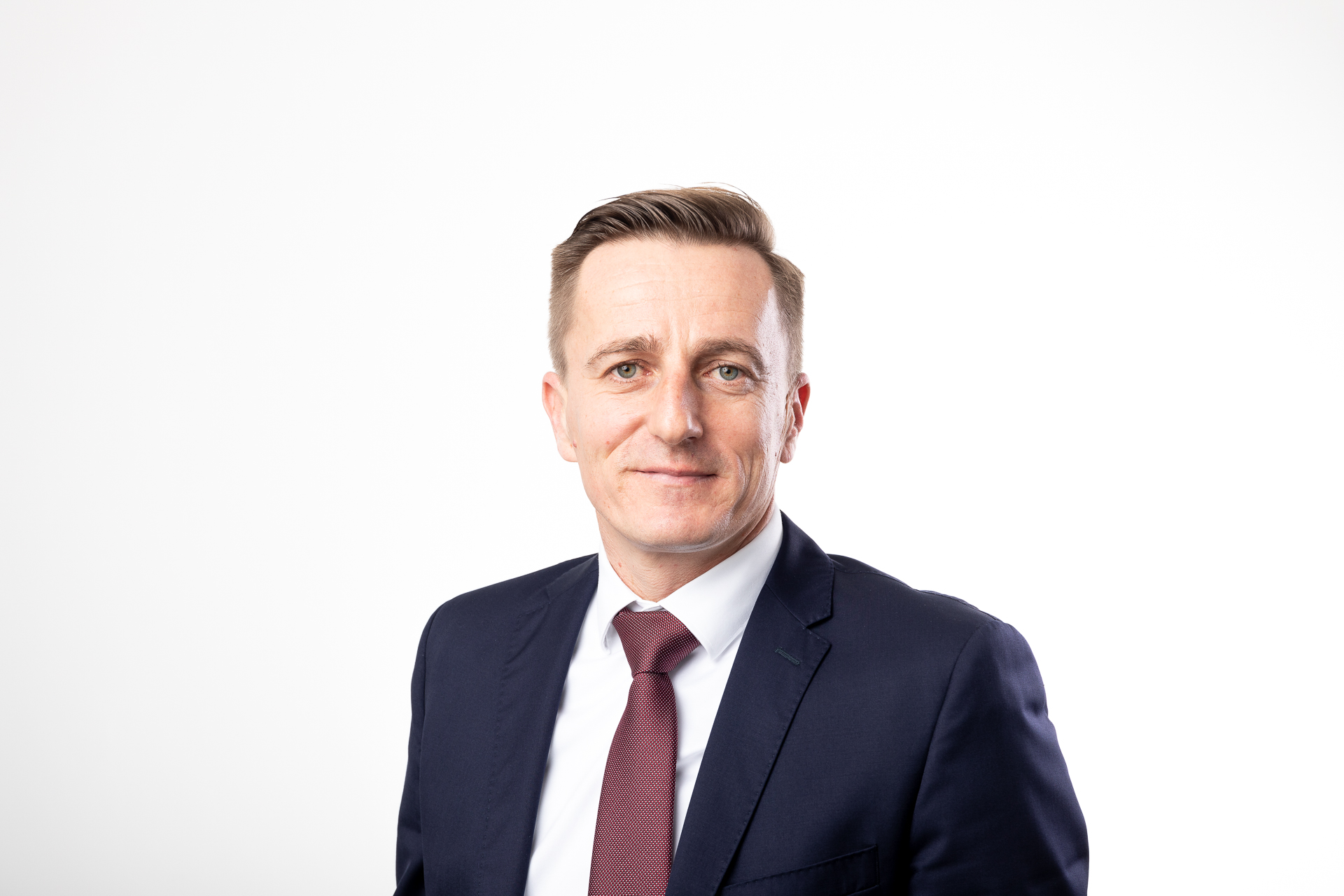
Julius Cincala is a partner at Kreston Slovakia, leading risk advisory and management consulting practices.
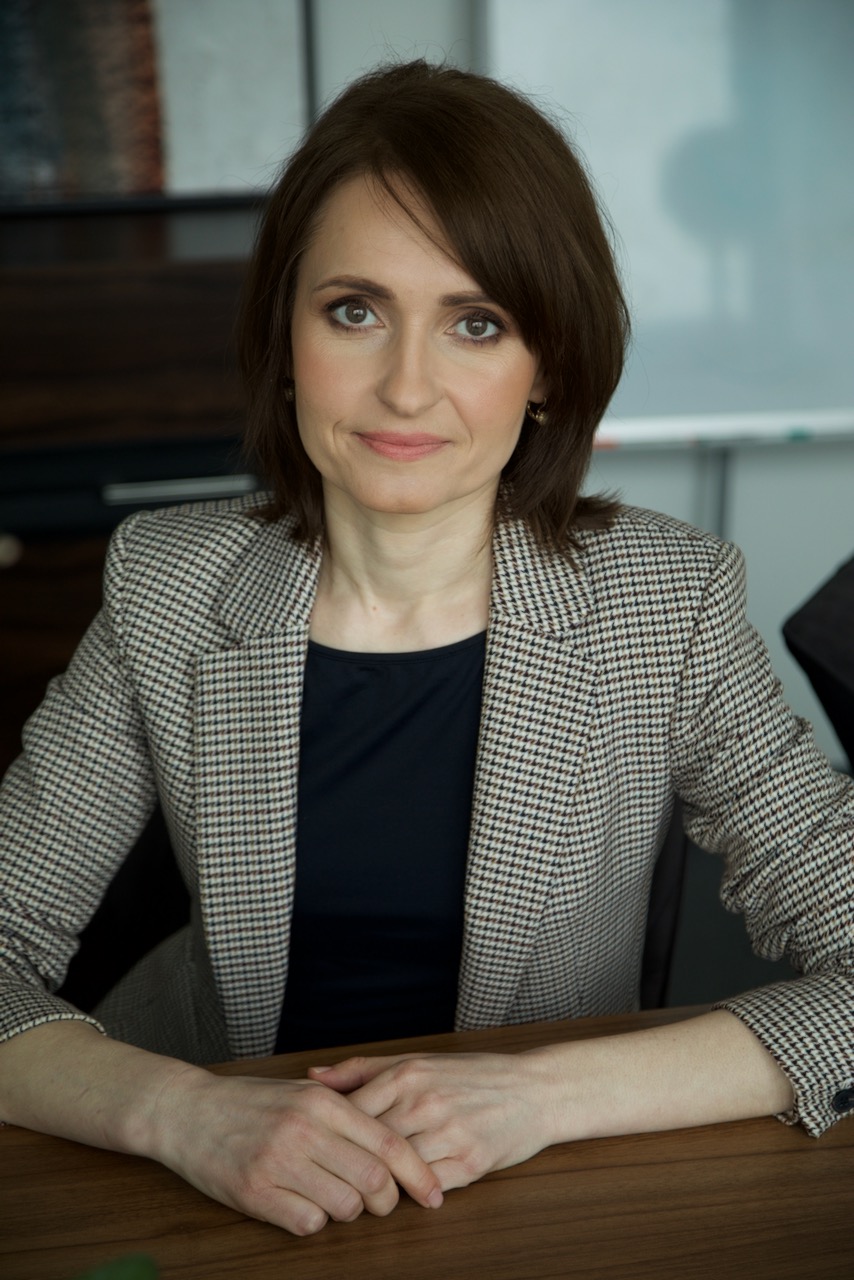
Zuzana, a Slovak accounting specialist, manages tax advisory and compliance projects, has expertise in financial audits, corporate and personal taxation, international taxation, value-added taxation, and transfer pricing across diverse business domains.
January 12, 2024
Central Europe’s manufacturing sector is being reshaped by EU Sustainability regulations, impacting countries like Slovakia, Romania, and Hungary. The aftermath of the Ukraine war and Germany’s reevaluation of its reliance on China have disrupted supply chains, driving up power costs and prompting a shift towards cleaner energy sources.
We inteviewed Július Činčala and Zuzana Sidorová of Kreston Slovakia, about how EU regulations affect doing business in the region.
Central Europe has traditionally played a smaller role in global manufacturing figures than other European neighbours. However, since the outbreak of the Ukraine war and Germany’s pre-Covid reliance on China, broken supply chains have driven up power costs.
Higher prices and new carbon reduction regulations favourably reposition countries like Slovakia, Romania and Hungary who have some of the highest shares of electricity from clean sources well above the West European average.
As the European Union grapples with balancing new environmental standards and maintaining its competitive edge on the global market, ambitious countries like Slovakia are becoming test beds for the new sustainability-focused landscape. With the advent of carbon emissions reporting within the EU, will listed and large companies relocate in droves to save money and carbon?
The EU’s commitment to environmental sustainability is not without its challenges. Činčala believes that it will be easier to relocate manufacturing outside of Europe, rather than deal with the complexity of carbon emission reporting, while the process is being established,
“Slovakia has always been an industrial country. However, the higher power costs have seen companies seek to relocate manufacturing operations to China. We see this with our clients now. They are freezing operations as transforming their business to meet carbon emissions far outweighs any cost saving or carbon saving they receive from being in Slovakia.
Although alarming, Činčala has been advising the Slovak government on dealing with these challenges for over 25 years, so has a clear view on the options available to the EU.
“If we want higher investments in green energy and business transformation we have to invest more in education, people, and transformation models. Currently, products that are manufactured outside of the European Union are cheaper because they’re not subject to the same level of regulation and transformation costs we face in the EU. This is why we need to find a way to fortify ourselves and our market. For example, by introducing new tax regulations on products made in third countries and imported into the EU.”
With some unrest in the region, Činčala’s colleague, tax expert Zuzana Sidorová, has advice for any businesses moving operations around Europe, specifically into Slovakia,
“In recent months, a number of companies have approached us to transfer their business from Ukraine territory to Slovakia or to another European country.”
In Slovakia, any company that does transactions within its group, either locally or across borders, must follow transfer pricing rules, in line with the OECD (Organization for Economic Co-operation and Development) guidelines.
In Slovakia, many international companies are considered “limited risk,” like manufacturers, distributors, or service providers. These companies often report losses despite having little decision-making power. Sidorová has clear advice for companies with limited risk businesses in satellite European countries;
“From a transfer pricing perspective, they shouldn’t be reporting losses. Tax authorities often investigate these loss-reporting, internationally-owned companies, leading to lengthy and difficult tax audits. These audits can result in extra corporate taxes and can be extended to cover multiple tax periods.”
Sidorová advises her clients making cross-border or local (Slovak) intra-group transactions needs to review and update its transfer pricing file on a yearly basis. The benchmarking analysis must be prepared every three years, with annual financial updates of comparables (compliance with OECD transfer pricing guidelines).
As the EU intensifies its sustainability focus, companies in Slovakia must adapt quickly. Success hinges on embracing green technology and understanding local tax and transfer pricing rules. It’s essential for businesses to align their operations with EU environmental goals, not just to comply with regulations, but to stay competitive and sustainable in the long run. Keeping up to date with any rapid tax updates in response to competitive markets is vital to maintain the viability of companies based in Slovakia. This strategic alignment by Slovakian companies is not only crucial for their own sustainability but also serves as a model for the wider European Union, demonstrating how economic resilience and environmental responsibility can coexist and drive progress across the continent.
If you are interested in doing business in Slovakia, please get in touch.
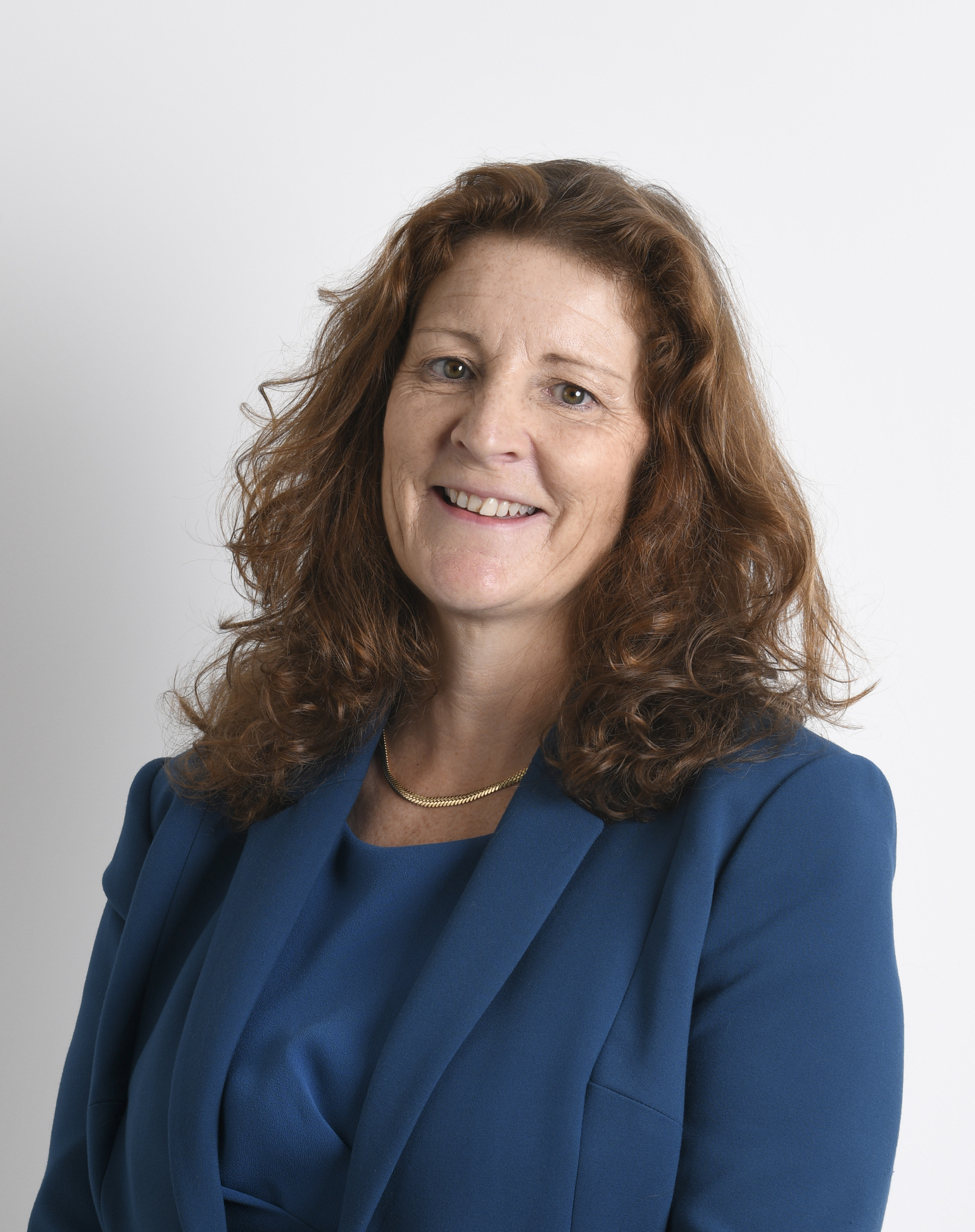
Sharon Omer-Kaye, a taxation specialist with 30+ years of experience, started her career at HMRC in 1989 and later transitioned to private practice in 1991. Armed with qualifications from the Chartered Institute of Taxation, Association of Taxation Technicians, and Society of Trusts & Estate, she excels in navigating tax complexities. Additionally, her affiliation with the Personal Finance Society/Chartered Insurance Institute highlights her expertise in personal finance and insurance.
Sharon Omer-Kaye, a partner at James Cowper Kreston, shares her insights on the challenges and opportunities for investing in the United Kingdom.
As economic uncertainties loom over the UK, the investment landscape has witnessed a delicate balance between risk appetite and caution among HNWIs. Sharon Omer-Kaye notes, “It’s a balance. People have a widespread investment appetite, and some are more comfortable taking a degree of risk.” While some investors seek perceived safer options, enticed by higher interest rates on cash returns reaching up to 6%, a more sophisticated perspective recognises elevated inflation’s impact on such returns’ attractiveness.
Government gilts, particularly appealing to those subject to higher tax rates, have emerged as a short-term strategic option, offering a potential compound return of over 8%. Meanwhile, investment managers appear to be tactically diverting funds towards commodities, such as gold and silver, to hedge against equity downturns amid market volatility.
In the equities space, the volatility in the FTSE is viewed as an opportunity for investments in undervalued UK companies. The property market undergoes a distinctive transformation, with a division in investor sentiment. While some divest from property portfolios anticipating a decline, others view the correction as an opportunity to acquire properties at discounted rates, especially in the residential market facing a correction in the imbalance between wages and property prices.
Amid the challenging economic environment, the focus shifts to factors that HNWIs seek to restore confidence and stability. Omer-Kaye emphasises the importance of recognising the broader global challenges, extending beyond the UK. Political stability becomes a critical factor influencing market sentiment, with frequent changes in leadership creating market nervousness.
She notes, “Achieving political stability and clarity is essential to calming the markets.” Lack of clarity creates a void in decision-making and restoring confidence hinges on resolving uncertainty about the future landscape and regulatory framework.
In navigating risks associated with the UK’s economic challenges, HNWIs adopt strategic approaches, assessing the current climate for potential investment opportunities. Omer-Kaye highlights the importance of a holistic view, considering exposure to cash, various investments, and tax-efficient instruments.
The strategic examination of the tax landscape becomes a crucial avenue for risk mitigation. Leveraging tax wrappers such as ISAs, EIS, and VCT investments provides a framework for strategic tax planning, aligning with the UK’s favourable tax regime for investing in high-growth companies.
Addressing the question of whether uncertainty is chasing away investors, Omer-Kaye suggests that the situation is nuanced. While some individuals may find the risks unappealing, uncertainty can create opportunities for confident investors. Political uncertainty contributes to hesitation, but the speaker dismisses the idea of investors being chased away, emphasising a wait-and-see approach.
The fluidity of the situation is acknowledged, with high-net-worth individuals exploring options without an immediate exodus. Commitment to the UK is highlighted, focusing on planning to navigate potential changes rather than an immediate departure.
High-net-worth individuals are encouraged to approach change flexibly, recognising that economic, political, and personal landscapes constantly change. In the face of uncertainty, innovation and adaptability become the guiding principles for navigating the economic landscape, demonstrating high-net-worth individuals’ resilience and strategic acumen in challenging times.
Sharon states, ‘As doors close, others open, prompting a need for innovative thinking and adaptability.’
If you are interested in doing business in the United Kingdom, please get in touch.